
Future Health, Powered by AI. Steered by Purchasers.
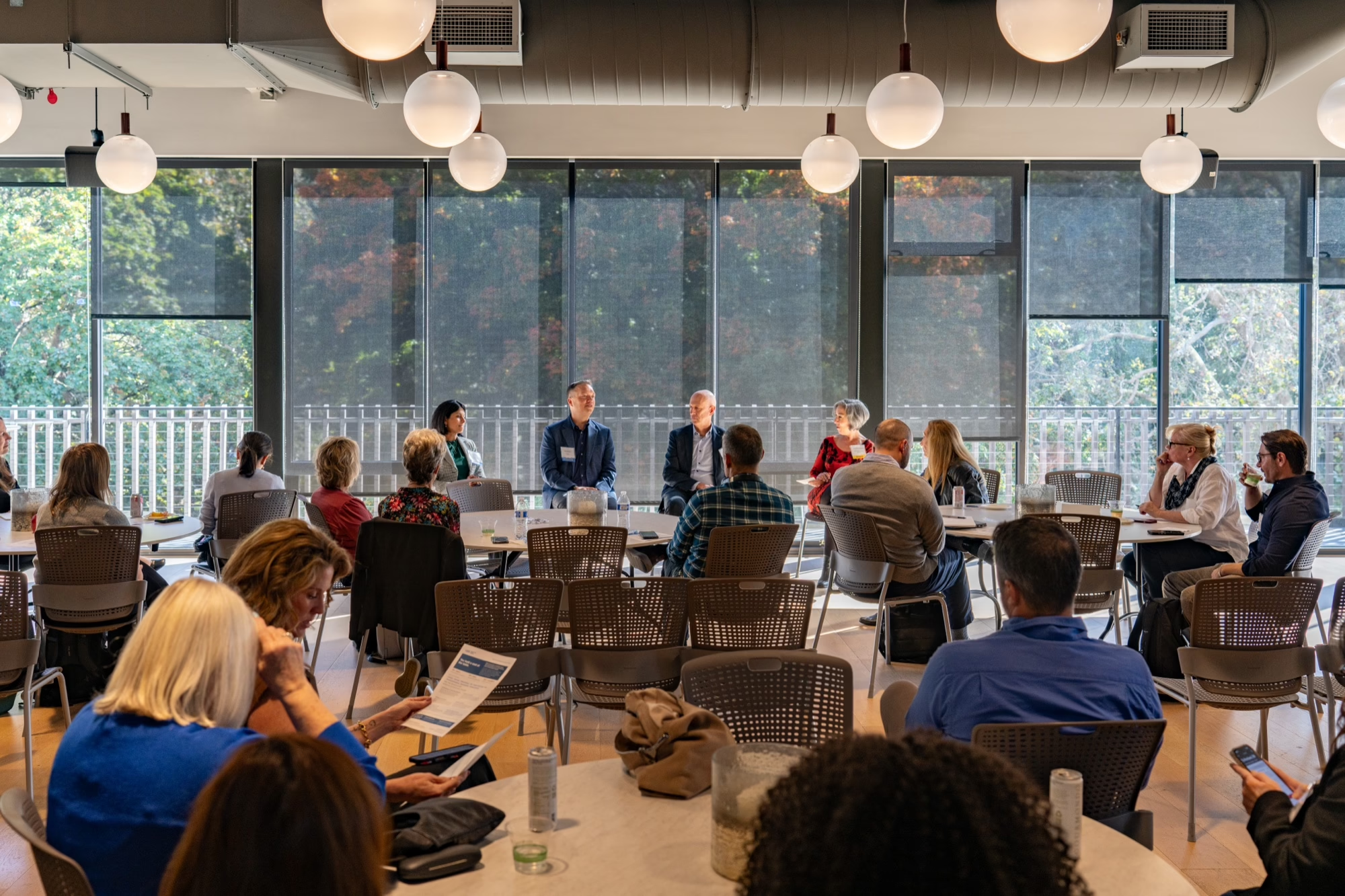
Photo by Kanan Gole
AI is already in the exam room, the billing office, and the patient’s inbox. For the people who pay for health care, the real question is whether any of it pays them back.
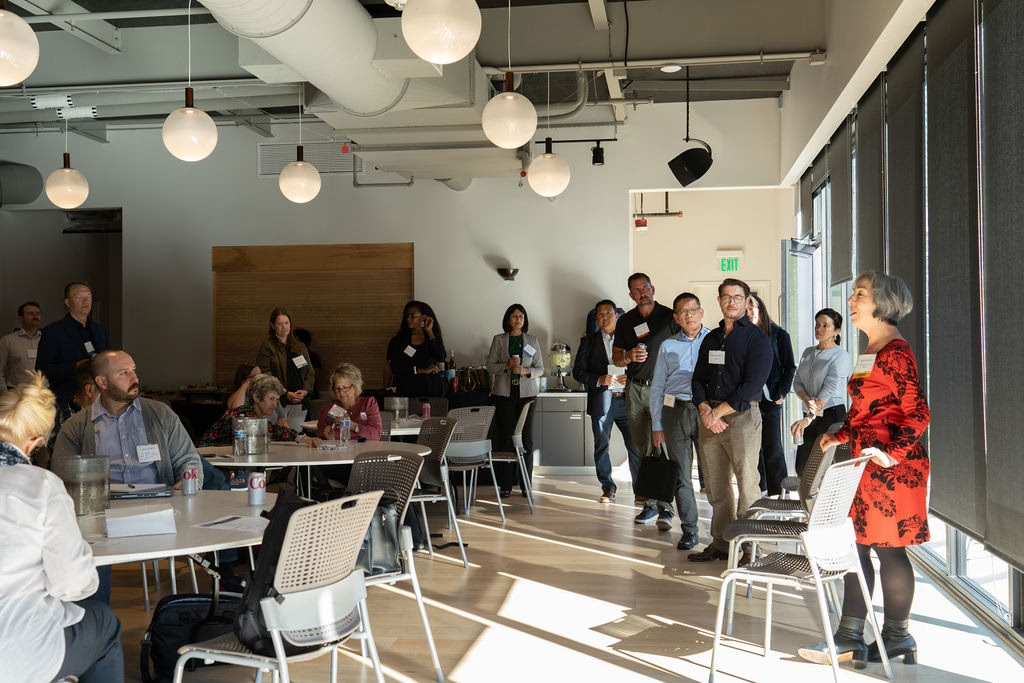
On September 22, purchasers and their partners brought that question to Seattle for Future Health, Powered by AI and Our Members, the Washington Health Alliance member event. Employers, providers, health plans, and nonprofits filled the room to work out where AI helps, where it falls short, and how to make sure its savings reach the people paying the bills. The panel took on all three.
A candid look at AI
WHA Executive Director Denise Giambalvo moderated a panel discussion with Dr. Kavita Chawla of Virginia Mason Franciscan Health, Dave Schoolcraft of Ogden Murphy Wallace, and Dr. Brett Daniel of Optum Health. They defined success as advancing the quintuple aim (better health, better patient and care team experience, lower costs, and health equity) without shifting cost or risk onto patients, purchasers, or payers. For now, they watch two signs: whether clinicians trust and use the tools, and whether they spend less time on notes after hours.
The panel agreed AI needs guardrails. Their health systems vet new tools with teams of clinicians, lawyers, compliance staff, and data scientists. Those teams test for bias and accuracy, pilot tools locally, and keep checking performance after launch. Clinicians still need to question what AI tells them.
Where AI helps today
Panelists pointed to chart summaries, patient outreach and scheduling, imaging, and billing and coding. They also described AI agents that check in with rising-risk patients between visits.
That raises a central tension. Fee-for-service pays for visits and procedures. The most promising uses of AI aim to prevent unnecessary ones.
Who keeps the savings?
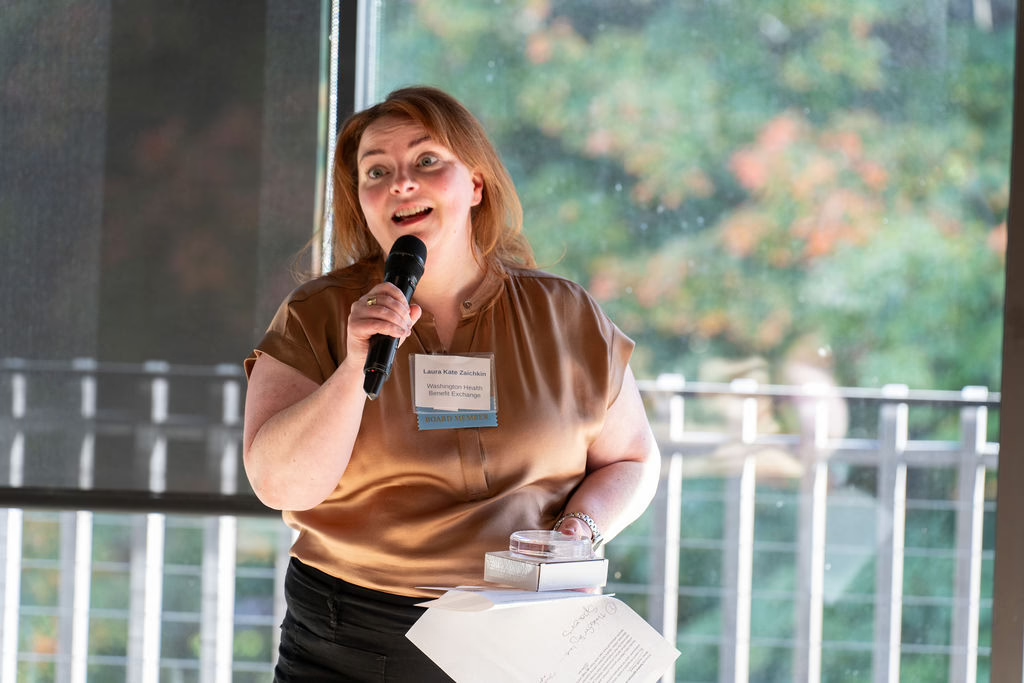
During the Q&A, one question came up that reflects what many purchasers are wondering: if AI makes providers and plans more efficient, does any of that reach the people paying the bills? The panel’s honest answer was not yet. Systems are still running old and new workflows side by side.
Their advice to purchasers was practical:
- Write your expectations into contracts.
- Tell providers and plans which outcomes and access standards you want to pay for. Pay for results, not for AI as its own billable service.
- Raise AI in your next multi-year contract, before efficiency gains settle into margin.
- Ask what AI tools cost to run. Usage fees can add up fast.
Looking ahead, one panelist predicted that within five years, courts could find it negligent for a doctor not to consult AI.
Patients are already using AI, too. The panel called it a health literacy challenge that purchasers and providers could take on together through shared patient education.
A member who leads by example

WHA recognized Sandra Spellmeyer, Total Rewards Manager at the Port of Seattle, as the first-ever member award recipient. Sandra led the Port’s pharmacy benefit manager (PBM) RFP, contracting, and implementation.
The change is delivering real cost savings and better health outcomes for Port employees and their families. She has also helped other purchasers pursue PBM reform, sharing her experience in our February pharmacy benefits event.
Collaboration that lasts

Some of the evening’s best moments happened between the formal remarks. Members traded notes on benefit strategy and met peers they can call the next time they face a tough decision.
That network is one of the most valuable parts of WHA membership. Your peers from across the health care industry are in the room. So are you.
The evening’s theme said it best: health care happens to purchasers, until they act together. We look forward to continuing that work with you in 2027.
Keep learning: Understanding the Rx Industry
WHA’s new six-week virtual course for employers, brokers, and benefits teams starts Friday, January 22. PBM industry veteran Dr. Susan Hayes covers drug pricing, PBM contracts, and the right questions to ask. Members save 30%, and space is limited. Save your seat